
Table of Contents
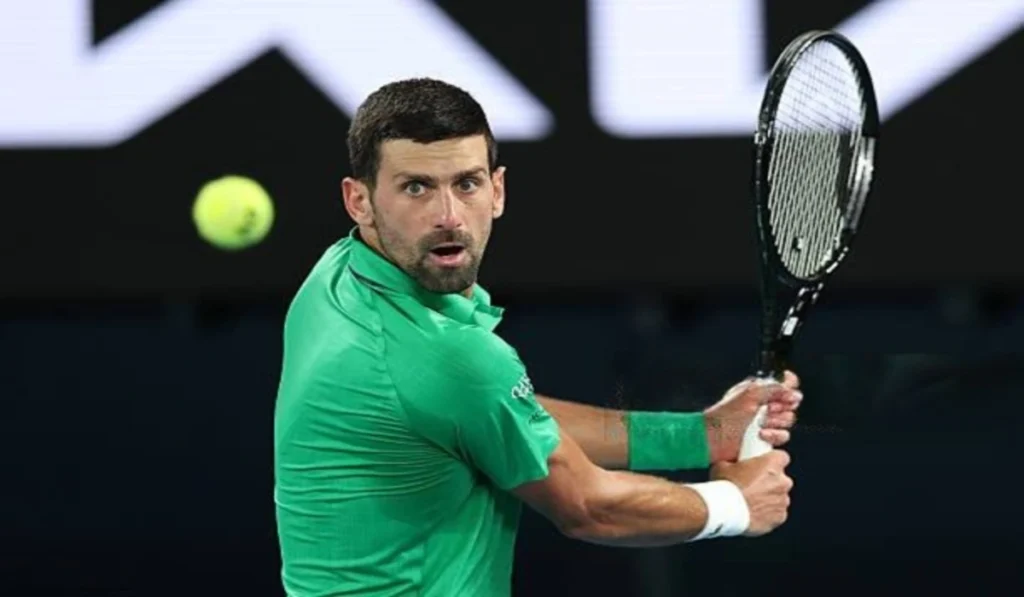
ToggleNovak Djokovic fitness routine is the cornerstone of his extraordinary performance on the tennis court, even at 38. Combining rigorous workouts, targeted training sessions, and a carefully designed diet, Djokovic maintains his strength, endurance, and agility while minimizing injury risk. His approach seamlessly integrates fitness, nutrition, and recovery, offering lessons for athletes, tennis enthusiasts, and anyone seeking to maintain peak physical condition. In this article, we will explore his daily workout routine, what he eats, calorie intake, and recovery strategies, providing a practical blueprint for high performance and longevity.
Novak Djokovic Workout Routine Explained
Novak Djokovic’s workout routine is a mix of strength, agility, endurance, and flexibility exercises, tailored to support his tennis performance. Unlike many athletes who focus solely on the gym, Djokovic balances on-court practice with off-court training to maintain a holistic level of fitness.
Morning Mobility and Stretching
Each day begins with stretching and mobility exercises that improve flexibility and prevent injuries. Yoga and dynamic stretching form a core part of his pre-training warm-up.
On-Court Drills and Endurance
Djokovic spends several hours on the court practicing serves, footwork, and match simulations. These sessions are designed to boost cardiovascular endurance, agility, and precision. Drills often combine high-intensity bursts with recovery intervals to mimic real match conditions.
Strength and Conditioning
Strength training is crucial to support joint health and explosive movements. Djokovic focuses on core exercises, resistance training and functional workouts that enhance overall power without adding unnecessary bulk. Exercises like medicine ball throws, squats, lunges, and resistance band routines are staples in his workout.
Speed and Agility Training
Tennis demands fast directional changes and quick reflexes. Djokovic incorporates ladder drills, cone exercises, and reaction-based training to sharpen his speed and agility, ensuring he can reach any shot on the court.
How Djokovic Adjusts Training at 38
As he ages, Djokovic has adapted his fitness routine to emphasize recovery and injury prevention. High-intensity workouts are balanced with low-intensity mobility sessions, and rest days are strategically placed to allow full muscular recovery.
What Does Novak Djokovic Eat in a Day?
Nutrition is a critical pillar of Djokovic’s performance. His Novak Djokovic diet focuses on fueling his body efficiently, enhancing recovery, and maintaining lean muscle mass. It is primarily plant-based, anti-inflammatory, and gluten-free, which reduces joint inflammation and promotes overall health.
Breakfast
Djokovic starts his day with a nutrient-rich, gluten-free breakfast, often including oats, fresh fruits, and smoothies packed with protein and essential vitamins. This fuels his morning training sessions and supports mental focus.
Lunch
Lunch is a balance of complex carbohydrates, lean proteins, and vegetables, designed to replenish energy stores. Foods like quinoa, lentils, tofu, and leafy greens are common, providing long-lasting energy without weighing him down.
Snacks
Between meals and workouts, Djokovic consumes energy-boosting snacks, such as nuts, seeds, and fresh fruits. These support endurance and prevent energy dips during rigorous training.
Dinner
Dinner is lighter and recovery-focused, emphasizing muscle recovery foods and hydration. It often includes steamed vegetables, plant-based proteins, and healthy fats to optimize overnight recovery.
Best Diet for Professional Tennis Players
For tennis players and endurance athletes, Djokovic’s daily diet plan highlights the importance of anti-inflammatory foods, plant-based proteins, and proper hydration. His nutrition plan demonstrates that diet can be as critical as training for sustaining peak performance.
How Many Calories Does a Tennis Player Need?
A professional tennis player’s calorie requirements vary depending on training intensity, match schedule and personal metabolism. Djokovic consumes enough calories to fuel high-intensity workouts while maintaining a lean, agile physique.
- On heavy training days, his intake can exceed 3,500–4,000 calories, primarily from nutrient-dense foods.
- During lighter sessions or rest days, calories are reduced to avoid excess energy storage.
- Macronutrient distribution focuses on carbohydrates for energy, proteins for muscle repair, and healthy fats for sustained endurance.
Understanding these calorie needs is crucial for any athlete aiming to optimize performance, recover effectively, and prevent energy deficits.
Novak Djokovic Recovery & Longevity Strategy
Recovery is a vital component of Djokovic’s fitness routine. His longevity and consistent top-level performance are largely due to a structured recovery plan combined with high performance nutrition.
Sleep and Rest
Djokovic prioritizes quality sleep, ensuring 8–9 hours per night. Rest is essential for hormonal balance, muscle repair, and mental clarity.
Stretching and Physiotherapy
Daily stretching, foam rolling, and physiotherapy sessions maintain flexibility and prevent injuries. Ice baths and cryotherapy are occasionally used for inflammation control and recovery acceleration.
Supplements and Hydration
Although his Novak Djokovic diet is nutrient-dense, he also relies on supplements to cover gaps, support recovery and enhance endurance. Hydration strategy is emphasized throughout the day to maintain peak performance and prevent fatigue.
Mental Recovery
Mental preparation, mindfulness and stress management are integral to his longevity. A balanced approach to both mind and body ensures sustained focus and resilience in high-pressure matches.
Novak Djokovic has a great fitness routine and diet that represent how training, nutrition and recovery work together to sustain peak performance, even at 38. His dedication to workouts, plant-based nutrition, muscle recovery foods, and strategic rest shows that a balanced approach is key for longevity in sports. By adopting principles from Djokovic’s routine, athletes and enthusiasts can improve endurance, maintain strength and achieve high-level fitness while supporting long term health.
FAQs
Is Novak Djokovic vegan?
Yes, Djokovic follows a primarily plant based diet, which reduces inflammation, supports recovery and boosts overall health.
Does Novak Djokovic follow a gluten-free diet?
Yes, he avoids gluten to reduce joint inflammation and improve digestion, which is key for endurance athlete nutrition.
What supplements does Novak Djokovic take?
He takes selected vitamins, minerals and protein supplements to complement his daily diet plan and recovery routine.
What is Novak Djokovic’s daily workout routine?
His Novak Djokovic workout includes on-court tennis drills, strength training, mobility exercises, and agility training, adjusted depending on tournament and age.
How does Novak Djokovic maintain peak performance at 38?
By combining his fitness routine, diet, high performance nutrition, structured recovery and mental training, Djokovic stays strong, agile and injury free.